Borehole Pumps, Water Filtration, Water Pumps, Water Storage, Water Storage Tanks
Rainwater Harvesting Explained: The Complete Homeowner’s Guide
Jul
Rainwater harvesting is one of the simplest and most effective ways to reduce dependence on municipal water supplies while making better use of a natural resource. Every rainfall event provides an opportunity to collect water that can be stored and used around the home, on farms or in commercial applications.
With increasing pressure on water infrastructure, more homeowners and businesses are installing rainwater harvesting systems to improve water security, lower water costs and prepare for periods of drought or supply interruptions.
This guide explains how rainwater harvesting works, what equipment is required and how to build an efficient system.
What Is Rainwater Harvesting?
Rainwater harvesting is the process of collecting rain that falls on a roof or other suitable surface and storing it for later use.
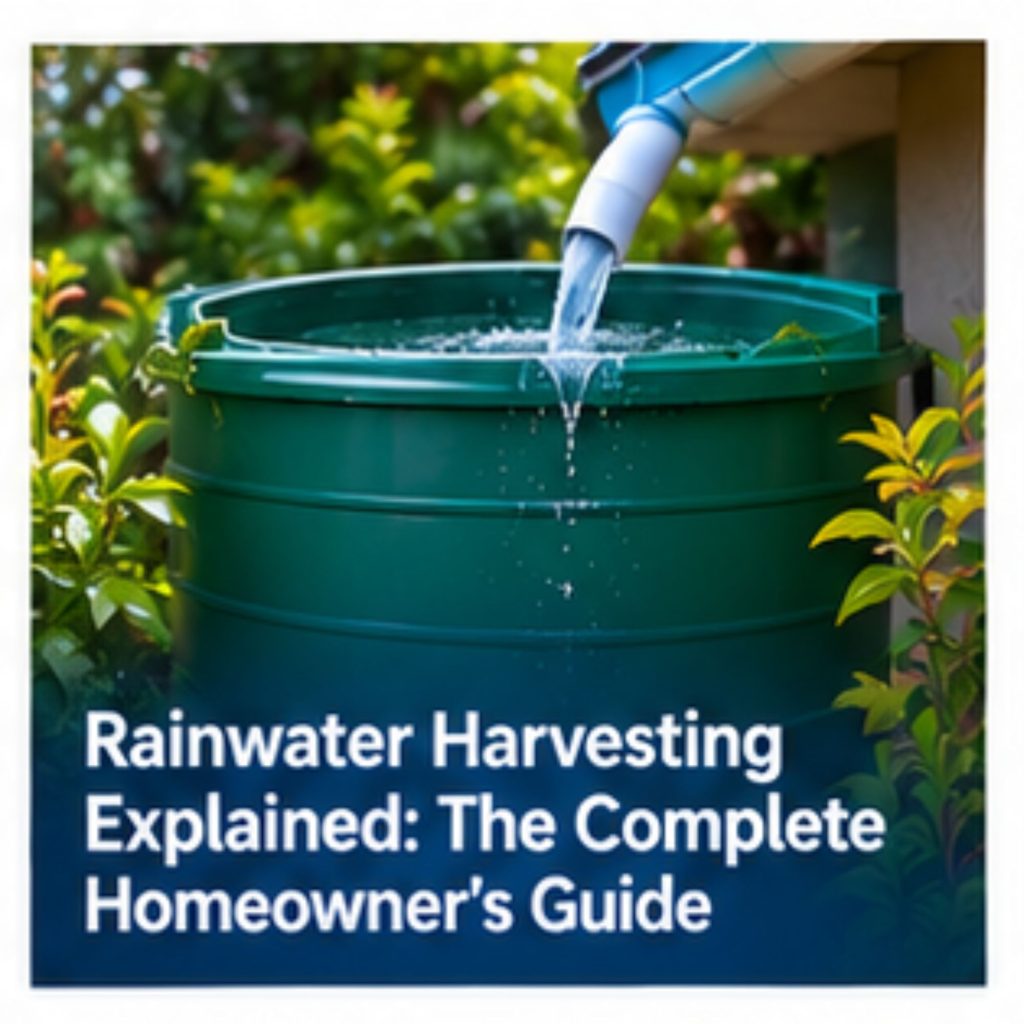
Instead of allowing rainwater to run into stormwater drains, it is directed through gutters and downpipes into a storage tank.
The stored water can then be used for:
- Garden irrigation.
- Toilet flushing.
- Washing vehicles.
- Cleaning outdoor areas.
- Livestock watering.
- Household use.
- Drinking, where appropriate treatment has been provided.
How Does a Rainwater Harvesting System Work?
A typical system consists of several key components working together.
- Rain falls onto the roof.
- Gutters collect the water.
- Downpipes transport it to the tank.
- A leaf strainer removes large debris.
- A first-flush diverter redirects the initial runoff.
- Cleaner water enters the storage tank.
- A pump (if required) supplies water to the points of use.
- Filters or treatment systems improve water quality where necessary.
Each component contributes to system efficiency and water quality.
Main Components of a Rainwater Harvesting System
Roof Catchment Area
The roof is the collection surface.
Suitable roofing materials include:
- Metal roofing.
- Concrete roof tiles.
- Clay tiles.
Keeping the roof clean helps improve water quality.
Gutters and Downpipes
Gutters collect rainwater and direct it towards the storage tank.
Regular cleaning prevents leaves, twigs and other debris from entering the system.
Leaf Strainer
A leaf strainer captures larger debris before it enters the tank.
Benefits include:
- Reduced maintenance.
- Improved water quality.
- Less sediment accumulation.
- Better pump protection.
First-Flush Diverter
The first rainfall after a dry period often washes dust, bird droppings, pollen and other contaminants from the roof.
A first-flush diverter redirects this initial runoff away from the storage tank before allowing cleaner water to enter.
This simple device can significantly improve the quality of harvested rainwater.
Water Storage Tank
The tank stores collected rainwater until it is needed.
Common options include:
- Vertical tanks.
- Slimline tanks.
- Underground tanks.
- Interconnected tank systems.
Selecting the correct size depends on rainfall, roof area and water demand.
Water Pump
Gravity may be sufficient for some applications, but many systems use a pump to deliver consistent water pressure for household plumbing or irrigation.
The pump should be selected according to the required flow rate and pressure.
Filtration and Treatment
The level of treatment depends on the intended use of the water.
Possible treatment stages include:
- Sediment filtration.
- Activated carbon filtration.
- Ultraviolet (UV) disinfection.
- Reverse osmosis.
If rainwater is intended for drinking, appropriate treatment and ongoing maintenance are essential.
Benefits of Rainwater Harvesting
Installing a rainwater harvesting system offers several advantages.
Greater Water Security
Stored rainwater provides an alternative supply during municipal interruptions and periods of water restriction.
Lower Water Bills
Using harvested rainwater for suitable applications can reduce reliance on treated municipal water.
Reduced Stormwater Runoff
Capturing rainfall helps reduce the volume of water entering stormwater systems during heavy rain.
Environmental Benefits
Rainwater harvesting encourages responsible water use and supports more sustainable resource management.
Improved Garden Irrigation
Harvested rainwater can be used to irrigate lawns, flower beds and vegetable gardens, reducing demand on municipal supplies.
Can Rainwater Be Used for Drinking?
Rainwater can be used for drinking, but the answer depends on the entire collection, storage and treatment system, not just the tank.
Factors that influence water quality include:
- Roof material.
- Airborne contaminants.
- Bird and animal activity.
- Maintenance of gutters and tanks.
- Filtration and disinfection.
If the water is intended for human consumption, ensure the treatment system is appropriate for the source water and maintained according to the manufacturer’s recommendations.
Choosing the Right Tank Size
The ideal storage capacity depends on:
- Roof collection area.
- Local rainfall.
- Household water demand.
- Available space.
- Budget.
Many homeowners choose a tank size that provides several days of backup water while allowing the tank to refill efficiently during rainfall events.
Maintaining a Rainwater Harvesting System
Regular maintenance improves both water quality and system reliability.
Inspect and clean:
- Gutters.
- Downpipes.
- Leaf strainers.
- First-flush diverters.
- Tank inlets.
- Overflow screens.
- Pumps.
- Filters.
Keeping the system clean reduces sediment buildup and extends the life of pumps and filtration equipment.
Common Mistakes to Avoid
Avoid these common issues:
- Installing a tank that is too small.
- Ignoring roof maintenance.
- Not using a first-flush diverter.
- Allowing leaves to enter the tank.
- Forgetting overflow drainage.
- Neglecting filter maintenance.
- Using untreated rainwater for applications that require potable-quality water.
Frequently Asked Questions
Is rainwater harvesting legal in South Africa?
Rainwater harvesting is widely practised in South Africa. However, local regulations, plumbing requirements and building rules may vary depending on your municipality and intended use. It is advisable to check any applicable local requirements before installation.
How much rainwater can I collect?
The amount depends on roof size, rainfall and collection efficiency. As a rough estimate:
Roof Area (m²) × Rainfall (mm) × 0.8 = Approximate Litres Collected
The factor of 0.8 accounts for typical collection losses.
Does rainwater harvesting require a pump?
Not always. If the tank is positioned high enough to provide sufficient gravity-fed pressure, a pump may not be necessary. Many household systems, however, use a pump to achieve consistent water pressure.
How often should the tank be cleaned?
Cleaning frequency depends on local conditions, roof cleanliness and the amount of debris entering the system. Regular inspections help determine when maintenance is needed.
Conclusion
Rainwater harvesting is a practical and sustainable way to improve water security while reducing dependence on municipal supplies. By collecting rainfall from your roof, storing it in a well-maintained tank and using appropriate filtration where required, you can create a reliable source of water for many everyday applications.
A properly designed system, combined with regular maintenance, helps maximise water quality, protect equipment and ensure dependable performance for years to come.
Related Articles
Continue exploring our Rainwater Harvesting Knowledge Centre:
- The Complete Guide to Water Storage Tanks
- How to Choose the Right Water Tank
- How to Calculate Water Tank Size
- Water Tank Installation Guide
- How to Connect Multiple Water Tanks Together
- Polyethylene Water Tanks Explained
- Water Tank Maintenance Guide
- Choosing the Right Water Pump for Your Water Tank
- First-Flush Diverters Explained
- Leaf Strainers Explained
Why This Article Matters
Rainwater harvesting is about more than collecting water—it’s about building resilience. A well-designed system can reduce pressure on municipal infrastructure, improve drought preparedness and provide a dependable source of water for homes, farms and businesses. By combining quality tanks, effective pre-filtration, suitable pumps and ongoing maintenance, you can create a system that delivers reliable performance while making the most of every rainfall event.
