General Rules for Reusing Greywater Safely in South Africa

May 1, 2026
Posted by

A Complete Guide to Sustainable Water Reuse for Homes and Businesses

Water scarcity is becoming one of the biggest challenges facing South Africa. With recurring droughts, rising municipal costs, and increasing pressure on water infrastructure, many homeowners and businesses are looking for smarter ways to conserve water. One of the most effective and practical solutions is greywater reuse.

Greywater systems can dramatically reduce water consumption, lower utility bills, and support sustainable living when implemented correctly. However, greywater reuse must follow important health, environmental, and plumbing guidelines to ensure safety and compliance.

In this guide, we explore the general rules for reusing greywater, the benefits of greywater recycling, what water can and cannot be reused, and best practices for safe greywater management.


What Is Greywater?

Greywater refers to relatively clean wastewater generated from everyday household activities such as:

  • Showers
  • Baths
  • Bathroom sinks
  • Washing machines
  • Laundry tubs

Greywater is different from blackwater, which contains sewage and waste from:

  • Toilets
  • Kitchen sinks with food waste
  • Dishwashers (in some systems)
  • Industrial wastewater

Because greywater contains fewer contaminants than sewage water, it can often be safely reused for non-potable applications after proper treatment or filtration.


Why Reuse Greywater?

Greywater reuse offers several environmental and financial advantages.

1. Reduces Water Consumption

Greywater systems can reduce household freshwater use by up to 50%, especially when used for irrigation or toilet flushing.

2. Lowers Municipal Water Bills

By recycling water that would otherwise go down the drain, households and businesses can significantly reduce monthly water expenses.

3. Supports Sustainable Living

Greywater reuse helps conserve valuable drinking water supplies and reduces strain on municipal infrastructure.

4. Helps During Water Restrictions

In drought-prone areas, greywater can provide an alternative source of water for gardens and landscaping.

5. Reduces Wastewater Discharge

Reusing water reduces the volume of wastewater entering sewer systems and treatment plants.


Common Uses for Greywater

Properly managed greywater can be reused for:

  • Garden irrigation
  • Lawn watering
  • Toilet flushing
  • Decorative landscaping
  • Certain industrial processes
  • Orchard irrigation
  • Dust suppression

Greywater should never be used directly for drinking, cooking, or bathing unless it has undergone advanced purification and disinfection.


General Rules for Reusing Greywater

To safely reuse greywater, several important guidelines should always be followed.


1. Never Reuse Blackwater

Only reuse water from approved greywater sources.

Safe Greywater Sources

  • Shower water
  • Bath water
  • Bathroom basin water
  • Laundry rinse water

Unsafe Sources

  • Toilet wastewater
  • Kitchen sink wastewater containing grease and food
  • Water contaminated with chemicals or hazardous substances

Blackwater contains harmful pathogens and requires full sewage treatment before reuse.


2. Use Greywater Quickly

Greywater should ideally be used within 24 hours.

When stored too long, organic matter begins to decompose, causing:

  • Bad odours
  • Bacterial growth
  • Mosquito breeding
  • Health risks

Fresh greywater is much safer and easier to manage.


3. Avoid Human Contact

Greywater should not come into direct contact with people.

This means:

  • Do not spray untreated greywater through sprinklers
  • Avoid pooling or standing water
  • Prevent children and pets from playing in greywater areas

Subsurface irrigation systems are often the safest solution because the water is delivered below the soil surface.


4. Use Environmentally Friendly Cleaning Products

The quality of greywater depends heavily on the products used in the home.

Avoid products containing:

  • Bleach
  • Harsh disinfectants
  • High salt content
  • Boron
  • Phosphates
  • Strong detergents

Choose biodegradable, plant-friendly, and low-sodium soaps and detergents whenever possible.


5. Filter Greywater Properly

Even simple greywater systems should include some level of filtration.

Greywater may contain:

  • Hair
  • Lint
  • Soap residue
  • Dirt
  • Organic particles

Basic filtration helps prevent:

  • Pipe blockages
  • Soil contamination
  • Pump damage
  • Irrigation system failure

Advanced greywater systems may include:

  • Sediment filters
  • Sand filtration
  • Biological treatment
  • UV sterilisation
  • Activated carbon filters

6. Do Not Allow Greywater to Pool

Standing greywater can quickly become a health hazard.

Pooling water may lead to:

  • Bacterial contamination
  • Mosquito infestations
  • Bad odours
  • Soil oversaturation

Greywater should soak into the ground efficiently or be properly dispersed.


7. Keep Greywater Away from Edible Plant Parts

Greywater irrigation should not directly contact edible portions of plants.

Best practices include:

  • Use drip or subsurface irrigation
  • Water soil instead of leaves or fruit
  • Avoid spraying edible crops

Greywater is generally safer for:

  • Ornamental plants
  • Trees
  • Shrubs
  • Lawns

Extra caution should be used with vegetables and herbs.


8. Prevent Cross-Connection with Drinking Water

Greywater plumbing systems must always remain separate from potable water systems.

Cross-connections can contaminate drinking water and create serious health risks.

Professional installation is strongly recommended to ensure:

  • Correct pipe labelling
  • Backflow prevention
  • Compliance with plumbing regulations
  • Safe system design

9. Follow Local Regulations and Municipal Guidelines

Greywater regulations may vary depending on municipality, province, and system size.

In South Africa, homeowners and businesses should consult:

  • Local municipal bylaws
  • Plumbing regulations
  • Water authority guidelines
  • Environmental health standards

Larger commercial systems may require permits or professional engineering approval.


10. Maintain Your Greywater System Regularly

Routine maintenance is essential for safe operation.

Maintenance tasks include:

  • Cleaning filters
  • Inspecting pumps
  • Checking pipes for leaks
  • Preventing clogging
  • Monitoring odours
  • Flushing systems periodically

Poor maintenance can quickly lead to contamination and system failure.


Is Greywater Safe?

Greywater can be safe when properly managed.

However, untreated greywater may contain:

  • Bacteria
  • Viruses
  • Soap residues
  • Nutrients
  • Organic matter

The level of treatment required depends on the intended reuse application.

Low-Risk Uses

  • Subsurface irrigation
  • Landscape watering

Higher-Risk Uses Requiring Treatment

  • Toilet flushing
  • Indoor reuse
  • Commercial reuse
  • Long-term storage

Professional greywater treatment systems provide safer and more reliable performance.


Greywater Treatment Options

Modern greywater treatment systems can include:

Basic Diversion Systems

Simple systems that redirect greywater to gardens.

Filtration Systems

Remove particles and improve water quality.

Biological Treatment Systems

Use bacteria and natural processes to break down contaminants.

UV Disinfection

Kills harmful microorganisms using ultraviolet light.

Advanced Purification Systems

Suitable for large homes, estates, hotels, lodges, and commercial buildings.


Benefits of Professional Greywater Systems

A professionally designed greywater system offers:

  • Improved safety
  • Better filtration
  • Reliable water quality
  • Reduced maintenance
  • Regulatory compliance
  • Longer system lifespan
  • Higher water savings

Professionally installed systems are especially important for commercial or high-volume applications.


Greywater Reuse in South Africa

South Africaโ€™s climate and water challenges make greywater reuse increasingly valuable.

Greywater systems are becoming more common in:

  • Residential homes
  • Eco-estates
  • Schools
  • Guesthouses
  • Farms
  • Hotels
  • Commercial buildings

Combined with rainwater harvesting and water purification systems, greywater reuse forms part of a comprehensive water resilience strategy.


Frequently Asked Questions About Greywater

Can greywater be stored?

Greywater should ideally not be stored for more than 24 hours unless properly treated.

Can greywater be used on vegetables?

It can be used cautiously with subsurface irrigation, but direct contact with edible plant parts should be avoided.

Is greywater safe for lawns?

Yes, greywater is commonly used for lawn and ornamental garden irrigation.

Does greywater smell?

Untreated greywater can develop odours if left standing too long.

Can greywater be purified?

Yes. Advanced treatment systems can significantly improve water quality for broader reuse applications.


Final Thoughts

Greywater reuse is one of the most practical and sustainable ways to reduce water consumption in South Africa. When managed responsibly, greywater systems help conserve precious resources, lower water bills, and support environmentally conscious living.

However, safe greywater reuse requires proper filtration, responsible product choices, regular maintenance, and compliance with local regulations. Whether for residential or commercial use, investing in the right greywater solution can provide long-term environmental and financial benefits.

At Water Purification Online, we help homeowners and businesses explore smart water reuse, filtration, purification, and sustainable water management solutions tailored for South African conditions.

Looking for a Greywater Filtration or Water Purification Solution?

Explore professional water treatment systems, filtration products, and sustainable water solutions at waterpurification.online.
Water Tank Buyerโ€™s Guide โ€“ South Africa

April 19, 2026
Posted by

Shop Online at Water Purification Online

Looking for a reliable, long-lasting water storage solution?

At Water Purification Online, you can search, compare, and shop water tanks online from trusted South African manufacturers; all in one place.

๐Ÿ‘‰ Visit: www.waterpurification.online

We are leading distributors of premium quality, UV-resistant polyethylene water tanks and accessories, sourced from approved local suppliers across South Africa.

All tanks purchased through our platform include a manufacturer warranty and meet strict industry standards. We exclusively supply Agrement, SABS, and ARMSA-approved water tanks, giving you peace of mind on quality, safety, and durability.

Our tanks are manufactured using an advanced roto-moulding process, ensuring:

  • Consistent wall thickness
  • Structural strength
  • Long-term durability

Note: Slight dimensional variances may occur due to temperature changes during the cooling phase of manufacturing.


๐Ÿ”’ Order Securely Online

Safe, simple, and secure shopping at:
๐Ÿ‘‰ www.waterpurification.online

Important:
Adding additional inlets/outlets beyond standard fittings will void the manufacturerโ€™s warranty.


๐Ÿ”น Vertical Water Storage Tanks

Our vertical range includes:

  • Standard Vertical Tanks
  • Low Profile Vertical Tanks
  • Slimline Water Tanks

Slimline tanks are ideal for urban environments where space is limited – perfect for narrow walkways and tight installations.

Suitable for:

  • Rainwater harvesting
  • Borehole backup systems
  • Wellpoint systems
  • Water filtration and purification
  • Reverse osmosis systems

Key Features:

  • Strong, durable, and structurally sound
  • UV-resistant polyethylene
  • 6โ€“8mm wall thickness
  • UV protection warranty
  • Algae-inhibiting 2โ€“3mm black inner liner
  • Easy access during water outages
  • Pump-ready options (float valve + adaptor pre-fitted)

Installation Notes:

  • Tanks must be installed on a solid, level base covering 100% of the footprint
  • Do not transport vertical tanks when full

๐Ÿ”น Horizontal Water Tanks

Horizontal tanks are designed for versatility and mobility.

Ideal for:

  • Domestic use
  • Agriculture
  • Industrial and commercial applications
  • Water transport and delivery

Often used as transport tanks, these can be mounted on LDVs or trucks – ideal for water distribution in rural areas or emergency supply situations.


๐Ÿšฝ Sanitation Tanks

Septic Tanks

  • Designed for toilet waste only
  • Suitable for 2-25 people
  • Enables natural breakdown of organic matter
  • Discharges into a French drain system

โš ๏ธ No grey water or chemicals โ€” this disrupts the biodegradation process.


Conservancy Tanks

  • Temporary storage of sewerage + grey water
  • Suitable for 2โ€“25 people
  • Chemically resistant
  • Handles:
    • Toilet waste
    • Shower and basin water
    • Washing machine water

Requires routine emptying using:

  • Honey sucker
  • Sludge pump
  • Centrifugal pump

โš ๏ธ Professional Installation Recommended

Correct installation is critical for:

  • Tank performance
  • Longevity
  • Warranty protection

๐Ÿ‘‰ A FREE Buyerโ€™s Guide is included with every purchase.


๐Ÿ’ง Why Buy from Water Purification Online?

  • Compare multiple suppliers in one place
  • Access approved, compliant water tanks
  • Competitive pricing from trusted manufacturers
  • Nationwide delivery options
  • Secure online checkout

๐Ÿ‘‰ Get a quote, compare options, and order online today
www.waterpurification.online

The Essential Rainwater Harvesting Accessories for Clean, Efficient Water Storage

March 25, 2026
Posted by

Rainwater harvesting is one of the most sustainable ways to secure your water supply โ€” but collecting water is only the beginning. Without the right accessories, even the best tank system can suffer from contamination, inefficiency, and unnecessary wear.

At WaterPurification.online, we believe that a properly equipped system doesnโ€™t just store water โ€” it protects, filters, monitors, and optimises it.

This guide explores the essential rainwater harvesting accessories that elevate your system from basic storage to a reliable, high-performance water solution.


The Difference Between Basic Storage and Smart Water Systems

A standalone tank collects rainwater.

A properly equipped system:

  • Filters out debris before it enters
  • Removes contaminated first-flow water
  • Maintains consistent pressure
  • Monitors water levels in real time
  • Protects your pump and infrastructure

The result? Cleaner water, longer system life, and better daily usability.


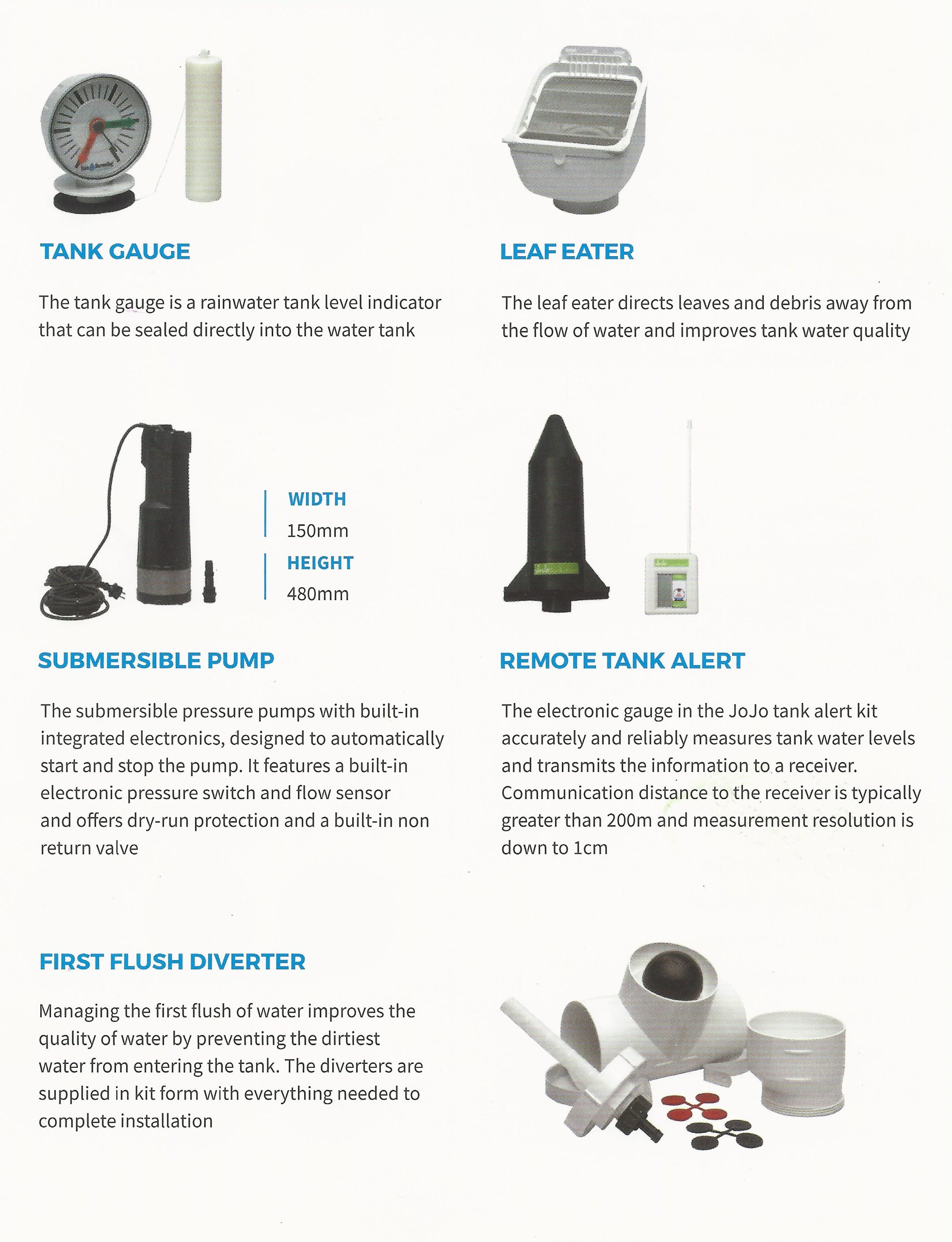
Tank Gauges: Visibility and Control

A tank gauge provides a clear visual indication of your water levels, allowing you to manage usage more effectively.

Whether mechanical or digital, this simple addition helps prevent:

  • Unexpected water shortages
  • Pump dry-running
  • Inefficient water planning

For households and businesses alike, itโ€™s one of the easiest upgrades with immediate value.


Leaf Eaters: Your First Line of Defence

Before water even enters your tank, it should be protected.

A leaf eater acts as a pre-filtration system, diverting leaves, debris, and organic material away from the water flow. This dramatically reduces:

  • Sediment buildup
  • Algae growth
  • Blockages in your system

Cleaner input means less maintenance and better water quality from the start.


First Flush Diverters: Protecting Water Quality at Source

The first rainfall after a dry period carries the highest level of contaminants โ€” including dust, bird droppings, and pollutants from your roof.

A first flush diverter ensures that this initial, dirty water is redirected away from your tank, allowing only cleaner water to enter.

This is one of the most critical components for:

  • Improving water purity
  • Reducing filtration load
  • Protecting downstream systems

Submersible Pumps: Reliable Water Pressure On Demand

To make harvested rainwater usable inside your home or business, you need consistent pressure.

Submersible pumps are designed to:

  • Automatically start and stop based on demand
  • Maintain steady water pressure
  • Protect against dry running
  • Operate quietly and efficiently within the tank

They transform stored rainwater into a fully functional water supply system.


Remote Tank Alerts: Smart Monitoring, Anywhere

Modern systems go beyond manual checks.

Remote tank alert systems electronically measure water levels and transmit data to a receiver, allowing you to monitor your tank from a distance.

Key benefits include:

  • Real-time water level tracking
  • Early warning for low or critical levels
  • Reduced manual inspection
  • Greater control over water usage

For larger properties or commercial setups, this is a game-changing upgrade.


Building a Complete Rainwater Solution

Each accessory plays a specific role โ€” but together, they create a fully integrated system:

  1. Leaf Eater โ€“ Removes debris before entry
  2. First Flush Diverter โ€“ Eliminates contaminated initial runoff
  3. Tank โ€“ Stores water safely
  4. Tank Gauge / Alert System โ€“ Monitors levels
  5. Submersible Pump โ€“ Delivers water where needed

This layered approach ensures:

  • Cleaner water
  • Reduced maintenance
  • Improved system efficiency
  • Longer equipment lifespan

Why It Matters More Than Ever

With increasing pressure on municipal water systems, investing in rainwater harvesting is no longer optional โ€” itโ€™s strategic.

But the real value lies in doing it properly.

A well-designed system supported by the right accessories:

  • Protects your water quality
  • Saves money over time
  • Adds resilience to your property
  • Supports sustainable living

Final Thoughts

Rainwater harvesting isnโ€™t just about collecting water โ€” itโ€™s about managing it intelligently.

The right accessories turn a simple tank into a dependable, high-performance water solution that works for you every day.

If youโ€™re looking to upgrade or install a complete system, WaterPurification.online offers the expertise and components needed to build a solution thatโ€™s efficient, durable, and future-ready.

11 Ways to Prevent Water Leaks & Improve Water Quality at Home

March 24, 2026
Posted by

Introduction: Water Loss Is a Silent Problem in Every Home

Most people think about water quality โ€” but water loss is just as important.

A small, unnoticed leak can waste thousands of litres of water per month, increase your utility bills, and even lead to structural damage and mould growth.

At the same time, poor water quality can affect your health, appliances, and daily life.

This guide combines both:
How to prevent water leaks
How to improve your water quality with purification systems


Why Preventing Water Leaks Matters

Water leaks are more than just an inconvenience โ€” they are:

  • Costly (higher water bills)
  • Risky (mould and bacteria growth)
  • Damaging (walls, flooring, foundations)
  • Wasteful (critical in water-scarce regions like South Africa)

Even a slow drip can waste over 20,000 litres per year.


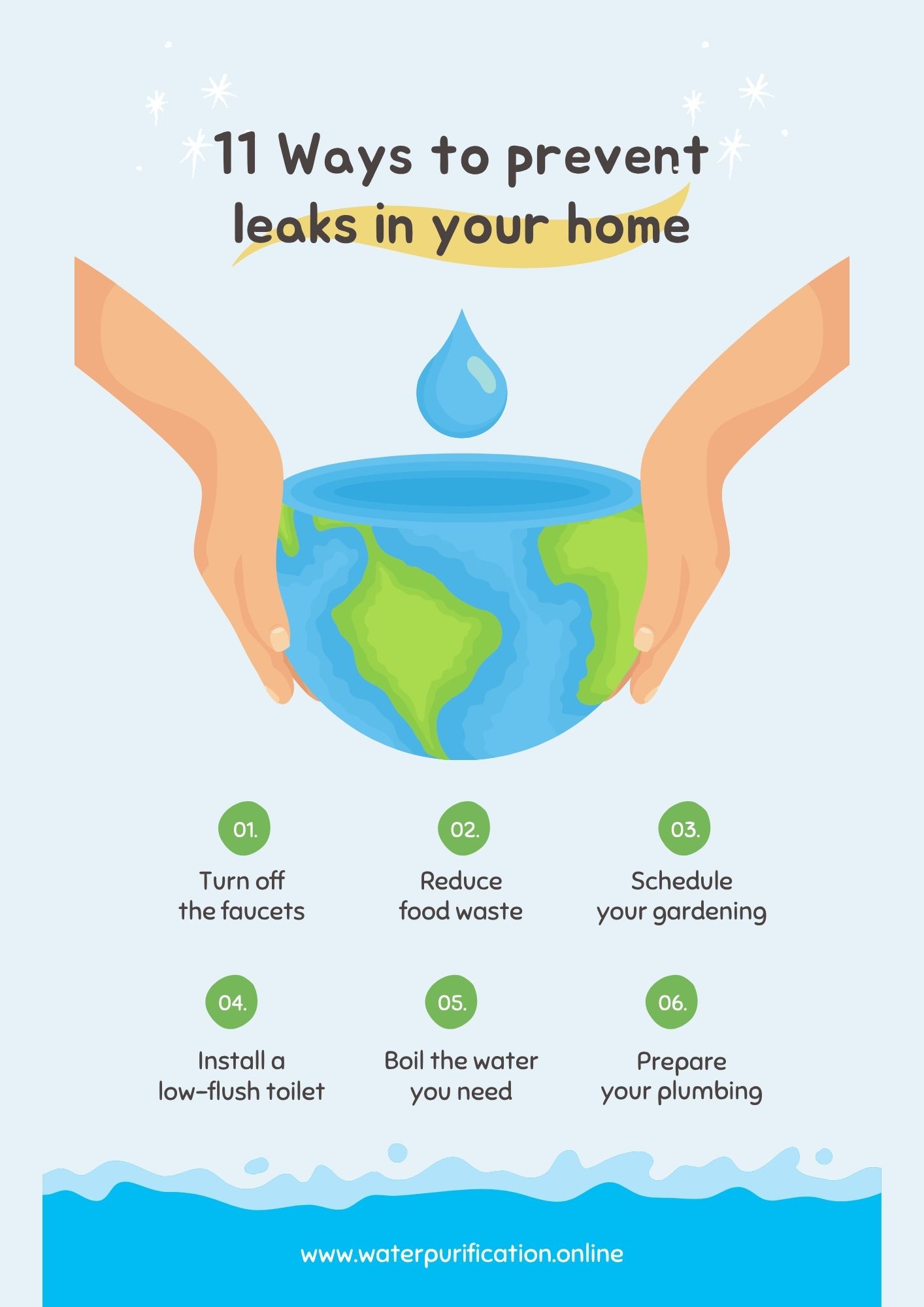
11 Practical Ways to Prevent Water Leaks in Your Home

1. Turn Off Taps Properly

It sounds simple, but partially closed taps are one of the biggest sources of water waste.


2. Check for Hidden Leaks Regularly

Look for:

  • Damp walls
  • Water stains
  • Musty smells

These are early warning signs of leaks behind walls or under floors.


3. Monitor Your Water Bill

A sudden spike often means thereโ€™s a leak you havenโ€™t found yet.


4. Install Leak Detection Devices

Smart sensors can alert you instantly when leaks occur โ€” preventing major damage.


5. Inspect Pipes and Joints

Older homes especially may have:

  • Rusted pipes
  • Loose fittings
  • Cracks or corrosion

6. Upgrade to Modern Plumbing

Outdated plumbing systems are far more prone to leaks and bursts.


7. Maintain Your Geyser (Water Heater)

Geysers are a common failure point.

Check for:

  • Drips
  • Pressure valve leaks
  • Rust or noise

8. Avoid High Water Pressure

Too much pressure stresses pipes and fittings, increasing leak risk.


9. Clean and Maintain Drains

Blocked drains create pressure buildup, which can lead to pipe damage.


10. Protect Outdoor Plumbing

Sun exposure, temperature changes, and ground movement can damage external pipes.


11. Schedule Regular Plumbing Inspections

Prevention is always cheaper than repair.


How Water Purification Fits Into the Bigger Picture

Preventing leaks protects your home โ€” but purifying your water protects your health.

Many households focus on plumbing but ignore whatโ€™s actually in their water.


Common Water Quality Issues in South Africa

  • Chlorine-heavy municipal water
  • Borehole contamination
  • Sediment and rust from aging pipes
  • Bacteria from storage tanks
  • Intermittent supply affecting treatment consistency

This is why combining leak prevention + filtration is the smartest approach.


Best Water Purification Solutions for Your Home

1. Reverse Osmosis Systems

Removes up to 99% of:

  • Heavy metals
  • Chemicals
  • Contaminants

Best for clean drinking water.


2. Carbon Filters

Ideal for:

  • Removing chlorine
  • Improving taste and smell

3. UV Purification

Kills:

  • Bacteria
  • Viruses

Perfect for borehole or stored water.


4. Whole House Filtration

Filters every tap in your home, including:

  • Showers
  • Kitchen
  • Laundry

The Smart Setup (Recommended)

For most homes:

Sediment Filter + Carbon Filter + Reverse Osmosis + UV

This gives you:
โœ” Clean
โœ” Safe
โœ” Great-tasting water
โœ” Full protection


Pro Tip: Leaks + Poor Water Quality = Bigger Problems

Hereโ€™s what most people miss:

Leaks + contaminated water = mould + bacteria growth

Thatโ€™s when issues escalate from inconvenience to health hazard.


Cost vs Value

SolutionCostBenefit
Ignoring leaksLow (initially)Very expensive long-term
Basic plumbing fixesMediumPrevents damage
Water purification systemMediumLong-term health + savings

Why This Matters in South Africa

With:

  • Water scarcity
  • Load shedding affecting infrastructure
  • Aging municipal systems

Taking control of your water at home is no longer optional โ€” itโ€™s essential.


Final Thoughts: Protect Your Water, Protect Your Home

Water management isnโ€™t just about saving money – itโ€™s about:

โœ” Health
โœ” Sustainability
โœ” Property protection
โœ” Peace of mind

By combining leak prevention + water purification, you create a complete water security system for your home.


๐Ÿ” SEO Keywords Embedded

  • prevent water leaks at home
  • water purification South Africa
  • home water filtration systems
  • clean drinking water solutions
  • borehole water filtration
  • fix water leaks fast
  • whole house water filter

Call to Action

Want clean, safe, and reliable water in your home?

Speak to one of the water experts at WaterPurification.online to:

  • Compare the best systems
  • Get expert advice
  • Install the right solution for your needs