
Borehole Pumps, Water Filtration, Water Pumps, Water Storage, Water Storage Tanks
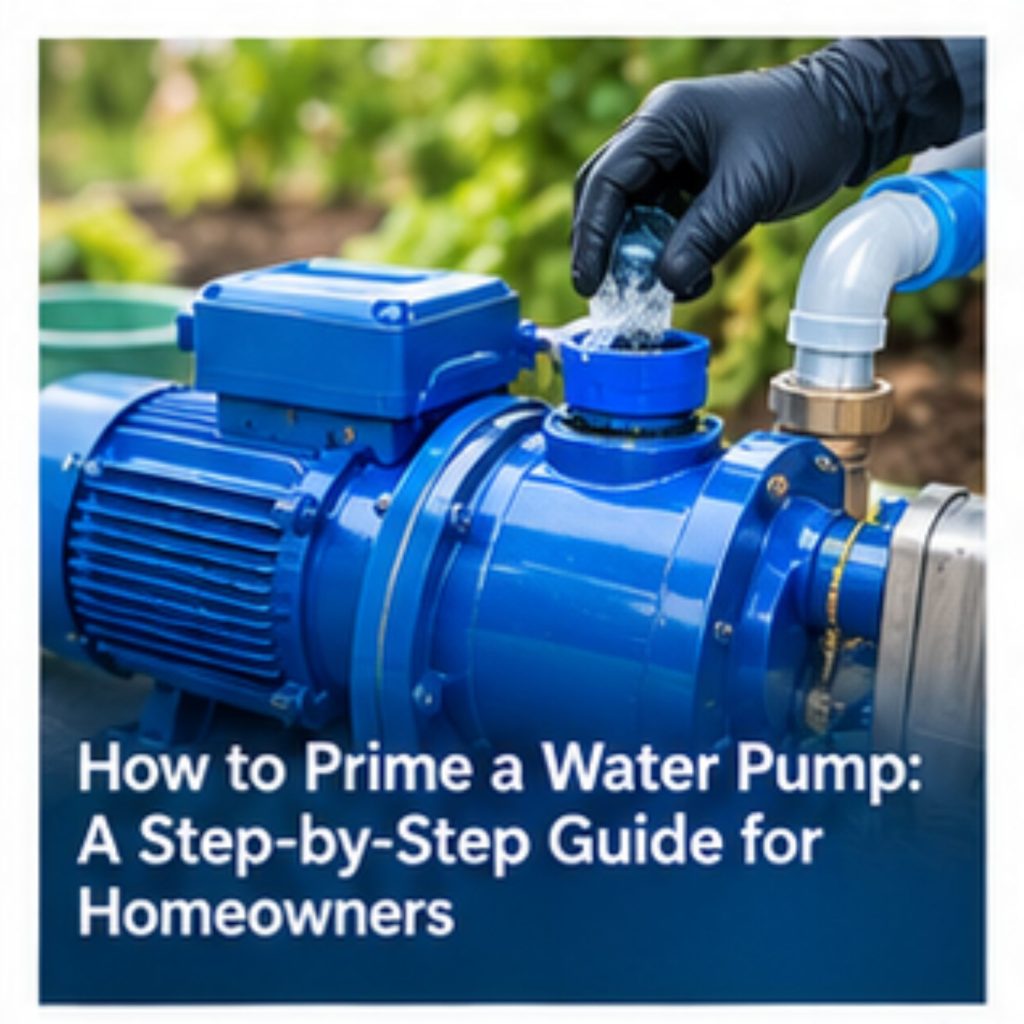
How to Prime a Water Pump: A Step-by-Step Guide for Homeowners
Jul
How to Prime a Water Pump | Step-by-Step Guide to Priming Surface Pumps
Learn how to prime a water pump correctly. Follow our step-by-step guide, discover why pumps lose prime, common mistakes to avoid and how to keep your pump working efficiently.
How to Prime a Water Pump: A Complete Step-by-Step Guide
If your water pump is running but no water is coming out, the problem may be surprisingly simple—it may have lost its prime.
Priming is one of the most important maintenance tasks for many surface water pumps. Without water inside the pump and suction line, the pump cannot create the pressure difference needed to draw water from the source.
Fortunately, priming a pump is usually straightforward when you understand the process.
This guide explains what priming is, why it matters, how to prime a pump safely and what to do if your pump refuses to prime.
What Does “Priming a Pump” Mean?
Priming is the process of filling the pump casing and suction pipe with water before the pump starts operating.
Unlike submersible pumps, which sit underwater, most surface pumps cannot pump air. They are designed to move water, not air.
If air remains trapped inside the pump, the impeller simply spins without creating enough suction to draw water into the system.
Priming removes that trapped air and replaces it with water.
Which Pumps Need Priming?
Not every pump requires manual priming.
Pumps That Usually Need Priming
- Surface centrifugal pumps
- Jet pumps
- Peripheral pumps
- Irrigation transfer pumps
- Domestic pressure pumps (depending on design)
Pumps That Normally Do Not Need Priming
- Submersible borehole pumps
- Sump pumps
- Drainage pumps
- Sewage pumps
Some surface pumps are marketed as self-priming, but even these typically need to be primed before they are used for the first time or after maintenance.
Why Does a Pump Lose Prime?
A pump can lose its prime for several reasons.
Common causes include:
- Air leaks in the suction pipe.
- Faulty foot valve.
- Damaged non-return valve.
- Empty water tank.
- Water source running dry.
- Loose fittings.
- Cracked suction hose.
- Maintenance work that introduced air into the system.
Finding the underlying cause is just as important as restoring the prime.
Signs That Your Pump Has Lost Prime
Your pump may need priming if you notice:
- The motor runs but no water flows.
- Air bubbles appear in the plumbing.
- The pump sounds different than usual.
- Water flow starts and stops.
- The pump never reaches normal pressure.
- The pressure gauge stays at zero or remains unusually low.
These symptoms often indicate that air is trapped inside the pump or suction line.
Before You Begin
Gather the following items:
- Clean water
- Bucket or hose
- Adjustable spanner or wrench
- Clean cloth
- Safety gloves
- Torch (if working in low light)
Always switch off the electrical supply before opening the pump.
Step 1: Turn Off the Pump
Disconnect power at the isolator or circuit breaker.
Never remove the priming plug while the pump is running.
Allow the pump to cool if it has been operating.
Step 2: Locate the Priming Plug
Most surface pumps have a priming plug on top of the pump casing.
Remove it carefully.
Some residual pressure or water may escape.
Step 3: Fill the Pump with Water
Slowly pour clean water into the pump casing.
Continue filling until:
- The casing is completely full.
- Water remains at the top of the opening.
- Air bubbles stop appearing.
If the water level drops, continue filling until the pump and suction pipe are completely full.
Step 4: Replace the Priming Plug
Refit the plug securely.
Do not overtighten it, as this may damage the threads or sealing washer.
Step 5: Open the Outlet Valve
If your installation includes isolation valves, open them according to the manufacturer’s recommendations.
Some systems require an outlet tap to be opened slightly to allow trapped air to escape.
Step 6: Switch the Pump On
Restore power and start the pump.
A properly primed pump should begin delivering water within a short period.
Watch the pressure gauge.
Pressure should rise steadily as the system fills.
Step 7: Check for Leaks
Inspect:
- Suction fittings.
- Priming plug.
- Pipe joints.
- Foot valve.
- Pump casing.
Even a small air leak on the suction side can cause the pump to lose prime again.
What If the Pump Still Won’t Prime?
If the pump fails to prime after several attempts, investigate the following.
Air Leaks
Air entering the suction line prevents the pump from maintaining vacuum.
Inspect every threaded fitting and gasket.
Faulty Foot Valve
A leaking foot valve allows water to drain back into the source after the pump stops.
This is one of the most common reasons pumps repeatedly lose prime.
Water Source Too Low
If the water level has dropped below the pump’s effective suction lift, the pump may be unable to draw water.
Blocked Suction Pipe
Leaves, sand, algae or debris can restrict water flow.
Inspect and clean the suction line if necessary.
Damaged Impeller
A worn or damaged impeller may not generate enough suction.
If all other causes have been eliminated, the pump may require servicing.
How to Prevent Losing Prime
Good installation and maintenance reduce the likelihood of future problems.
Install a Quality Foot Valve
A reliable foot valve keeps the suction pipe full of water when the pump switches off.
Keep Suction Pipes Airtight
Even tiny air leaks can prevent proper priming.
Use suitable thread sealant and tighten fittings correctly.
Avoid Excessive Suction Lift
Surface pumps work best when installed as close as practical to the water source.
Long suction pipes and excessive lift reduce performance.
Perform Routine Inspections
Check regularly for:
- Loose fittings.
- Cracked hoses.
- Worn seals.
- Corrosion.
- Damaged valves.
Early detection prevents more serious issues.
Common Priming Mistakes
Avoid these frequent errors:
- Forgetting to fill the suction pipe.
- Starting the pump while dry.
- Ignoring suction-side air leaks.
- Assuming every pump is self-priming.
- Using damaged foot valves.
- Overtightening the priming plug.
- Allowing the water source to run dry.
These mistakes can reduce performance and, in some cases, damage the pump.
Frequently Asked Questions
How often should I prime my pump?
Under normal conditions, you should only need to prime a surface pump during the initial installation or after maintenance. If the pump regularly loses prime, there is usually an underlying issue that should be investigated.
Can running a pump dry damage it?
Yes. Many pumps rely on water for cooling and lubrication. Running a pump dry can damage mechanical seals, overheat components and shorten the life of the pump.
Do self-priming pumps ever need priming?
Many self-priming pumps still require an initial prime before first use. Once properly primed, they are designed to remove air from the suction line during normal operation, within their specified limits.
Why does my pump lose prime overnight?
This often indicates a leaking foot valve, non-return valve or an air leak in the suction pipe that allows water to drain back into the source.
Conclusion
Priming is a simple but essential step in keeping many surface water pumps operating efficiently. A properly primed pump can deliver reliable water flow, maintain pressure and avoid unnecessary wear on seals and internal components.
If your pump repeatedly loses prime, treat it as a sign of an underlying issue rather than simply re-priming it each time. Inspect the suction line, foot valve and fittings to ensure the system remains airtight and full of water.
With correct installation and routine maintenance, most pumps should retain their prime and provide dependable performance for years.
Related Articles
Continue exploring our Water Pump Knowledge Centre:
- Common Water Pump Problems and How to Fix Them
- Centrifugal Pumps Explained
- Surface Pumps vs Submersible Pumps
- How to Choose the Right Water Pump
- Pressure Tanks Explained
- Booster Pumps Explained
- Understanding Total Dynamic Head (TDH)
- How to Read Water Pump Performance Curves
- Mechanical Seals Explained
- Foot Valves and Non-Return Valves Explained
